Long-Term Effects of Sugar Consumption on Children's Oral Health in Alanya
Eating habits developed in childhood can affect dental health throughout life. Alanya children's sugar oral health requires conscious approaches, and developing these approaches can be an important responsibility for parents. Understanding the relationship between sugar consumption and oral health can help in taking preventive measures.
The holiday atmosphere in Alanya and its wide variety of tasty options can make it easier for children to access sugary foods. Ice cream, candies, and sweets can become part of daily life. This guide aims to provide general information about the potential effects of sugar consumption and balanced approaches.
The Relationship Between Sugar and Tooth Decay
Tooth decay formation is a multifactorial process. Oral bacteria ferment sugars and produce acids. These acids can weaken tooth enamel and contribute to cavity formation over time. Understanding this mechanism is important in the Alanya children's sugar oral health approach.
Frequency of sugar consumption can be more critical than the amount. Frequent sugar intake can keep the mouth's pH consistently low. This creates a continuous environment for enamel demineralization. Small amounts spread throughout the day can be more harmful than a large amount consumed at once.
Sticky sugary foods can remain on the teeth for a long time. Candies, cookies, and dried fruits fall into this category. Compared to liquid sugars, they are harder to remove and can enable prolonged acid production.
Effects of Different Types of Sugar
Simple sugars (sucrose, glucose, fructose) can be rapidly used by bacteria. Natural fruit sugars can also affect dental health, but fruits also contain beneficial nutrients. Fruit juices can be concentrated sources of sugar and require careful consumption.
Hidden sugars can be found in processed foods. Sauces, ketchup, ready-made cereals, and products labeled as "healthy" may still contain sugar. Reading labels is useful for making informed choices.
Caries Risk in Primary (Baby) Teeth
Primary teeth may have softer enamel compared to permanent teeth. Therefore, they can be more susceptible to decay. The attitude of "they'll fall out anyway" is a mistaken perception. The health of primary teeth forms the foundation for future dental health.
Early childhood caries (ECC) can be seen in children under 6 years old. It is also known as bottle caries. Using a bottle at night can create prolonged sugar exposure. Sleeping with bottles containing milk, formula, or fruit juice increases the risk.
Decay that starts on the front teeth can progress rapidly and spread to the back teeth. Pain, feeding difficulties, and speech problems may arise. Aesthetic concerns can affect a child's self-confidence.
Long-Term Effects of Losing Primary Teeth
Premature loss of primary teeth can lead to various problems. The space-maintaining function can be disrupted, causing reduced space for permanent teeth. Crowding and orthodontic issues may develop. Chewing function can be affected.
Infection risk can originate from decayed teeth. Abscess formation can cause pain and swelling. Rarely, it can lead to systemic infections. Timely intervention is important.
Transition to Permanent Teeth
The mixed dentition period (ages 6–12) can be a critical phase. Both primary and permanent teeth are present in the mouth. Newly erupted permanent teeth may not be fully mineralized and can be more susceptible to decay.
First permanent molars usually erupt around age 6 behind the primary teeth. Parents may mistake them for baby teeth and not pay sufficient attention. However, these teeth are permanent and will be used for life. They require special care.
The pre-adolescent period may be the last opportunity to reinforce dental hygiene habits. The child's growing independence can make parental supervision more difficult. Awareness and motivation become important.
Enamel Hypoplasia and Developmental Defects
Nutritional deficiencies and frequent infections can affect enamel quality. Poorly mineralized enamel is more prone to decay. Overall health in early childhood shapes dental health.
Developmental problems like fluorosis can result from excessive fluoride intake. However, fluoride at the correct dosage provides protection against decay. Balance is important and should be managed under a dentist's guidance.
Child Nutrition Habits in Alanya
When assessing Alanya children's sugar oral health, local eating culture can be considered. The Mediterranean diet can offer healthy options. However, tourism and modern lifestyles have increased access to sugary foods.
During holiday periods, routine eating habits may be disrupted. Consumption of ice cream, sweets, and sugary drinks can increase. Parents may be more permissive for the sake of "vacation." Still, attention to dental hygiene is recommended during these times.
School canteens and the surrounding environment influence children's food choices. Offering healthy options can be a corporate responsibility. Collaboration between family and school can help develop consistent habits.
Cultural and Social Factors
Celebrations and special occasions are often associated with sugary foods. Birthdays, holidays, and hospitality traditions may include cakes, candies, and sweets. Rather than banning them completely, a balanced approach can be adopted.
Peer influence can shape children's food preferences. It is natural for children to want what their friends eat. Strategies to make healthy alternatives appealing can be developed.
Preventive Nutrition Strategies
A balanced diet can support oral health. Protein, calcium, phosphorus, and vitamins are important for dental health. Vegetables, fruits, dairy products, and whole grains can form the basis.
Limiting sugar intake differs from total prohibition. Realistic and sustainable approaches are more effective. Having sweets with main meals is generally less harmful than snacking, because salivary flow increases and provides natural cleaning.
Encouraging water consumption is important. Water can rinse the mouth and help neutralize acids. Choosing water instead of sugary drinks is beneficial.
Healthy Snack Options
Cheese not only provides calcium but can also help raise oral pH. Nuts like walnuts and almonds provide nutritional value. Fresh vegetables (carrots, cucumber) can provide natural cleaning through chewing.
Whole-grain crackers and unsweetened yogurt can be satisfying options. Fresh fruits contain natural sugars but also offer fiber and nutrients. Dried fruits can be sticky, so fresh fruit is generally preferable.
Effective Oral Hygiene Practices
Regular tooth brushing can help reduce the harmful effects of sugar consumption. Brushing twice a day for at least two minutes is recommended. Critical times are after breakfast and before bed.
Using fluoride toothpaste provides protection against decay. For ages 0–3, a rice-grain-sized amount is appropriate; for ages 3–6, a pea-sized amount is suitable. Teach spitting rather than swallowing.
Parental supervision may be necessary until about ages 7–8. Teaching the correct brushing technique is important. Choose a soft-bristled brush appropriate for the child's age.
Flossing and Additional Cleaning
Flossing is useful for cleaning between teeth. It can be gently introduced around ages 2–3 once the gums tolerate it. As the child grows, allow them to do it themselves with guidance.
Mouthwash use can be considered for children who have developed a swallowing reflex. It is usually appropriate for children over age 6. Alcohol-free, child-specific formulations are preferable.
Regular Dental Check-Ups
Professional follow-up plays an important role in managing Alanya children's sugar oral health. A first appointment is recommended by the eruption of the first tooth or by age 1. Early introduction helps prevent dental fear.
Check-up frequency depends on risk factors. Typically, a six-month visit is recommended. Children with high caries risk may need more frequent monitoring. The dentist will propose an individualized plan.
Professional cleaning and fluoride applications are preventive treatments. Fissure sealants can protect vulnerable surfaces. Discuss these options with your dentist.
Preparing for a Dental Visit
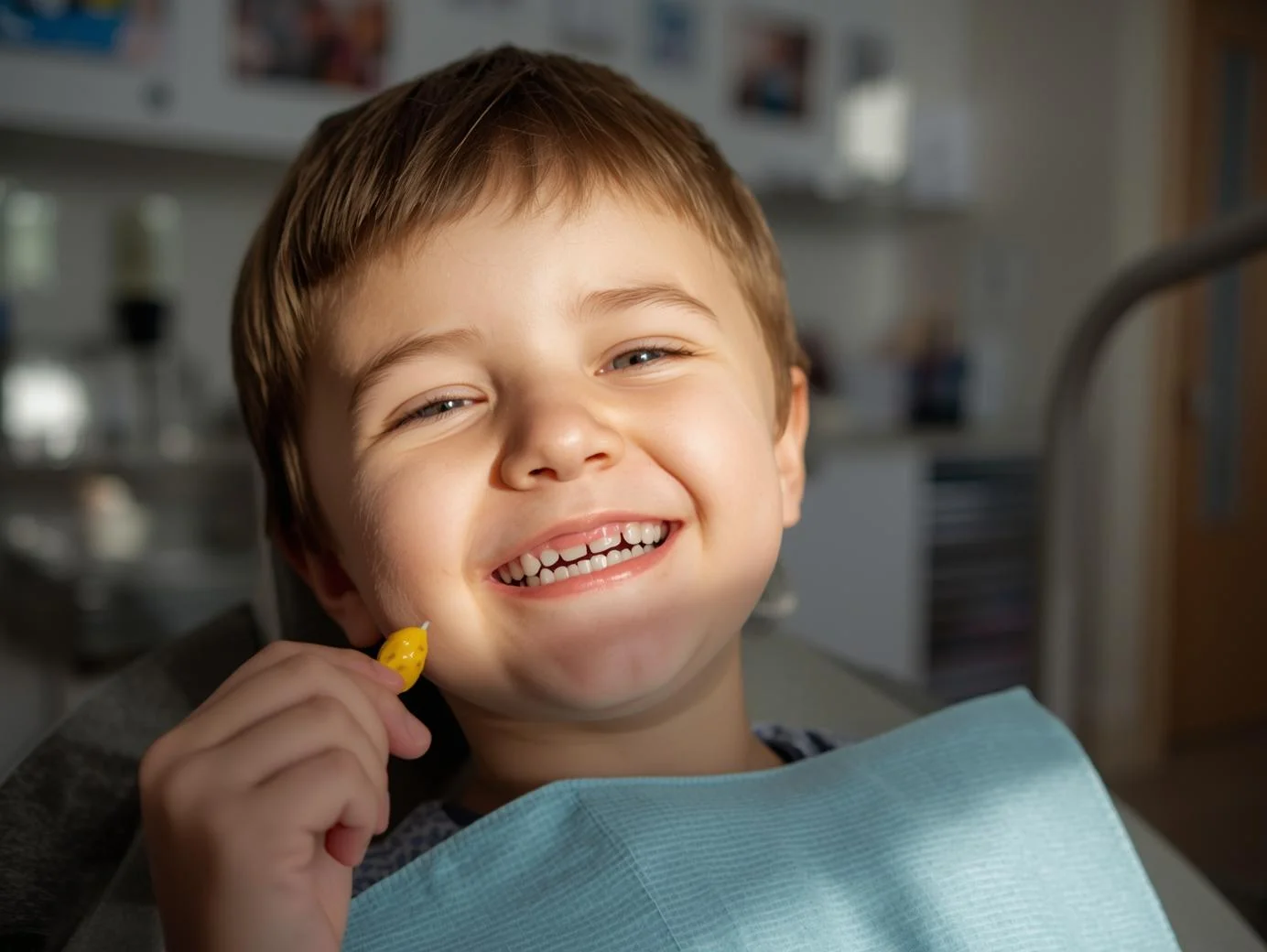
Maintaining a positive attitude helps the child feel comfortable. Avoid using fear-inducing words (pain, needle, hurt). Prepare the child with books or videos before the appointment.
An ideal first visit might be just an introduction. Activities like sitting in the chair and seeing the instruments can be included. A positive first experience facilitates cooperation in the future.
Sugar Alternative Sweeteners
Sugar alcohols such as xylitol may not increase caries risk. Some gums and products contain them. They are not fermentable by bacteria. Excessive intake can cause digestive issues.
Stevia, a natural sweetener, may not contribute to cavities. However, continued reliance on sweet tastes can be questioned from a healthy-eating perspective. Encouraging natural flavors is preferable.
Artificial sweeteners come in various forms and have different safety profiles. Consult a healthcare professional regarding their use in children.
Evaluating Natural Sweeteners
Honey and molasses, though natural, contain sugar and carry a risk for decay. "Natural" does not always mean healthy. Honey is not recommended for infants under 1 year (risk of botulism).
Products like dates or grape molasses are also concentrated sugar sources. Keep portions small and follow up with tooth brushing.
Parent Education and Awareness
Lack of knowledge can lead to undesirable outcomes. Parents who do not appreciate the importance of primary teeth may delay early intervention. Misunderstanding the sugar-cavity link can result in harmful practices.
Being a role model shapes a child's habits. A parent's attention to their own oral health sets an example. Brushing together as a family can have a positive effect.
Using sweets as rewards can create an unhealthy emotional relationship. Alternative rewards (stickers, activities) are more suitable.
School and Community Collaboration
School programs can include oral health education. Dental visits and brushing demonstrations are useful. Healthy-eating lessons increase awareness.
Local health institutions in Alanya can organize community programs. Free screening days and educational seminars help spread information. Families can benefit from these opportunities.
Special Conditions and Risk Groups
Asthma medications and some health conditions can cause dry mouth. Reduced saliva flow increases caries risk. Extra precautions may be needed.
Children with developmental disabilities may require specialized approaches. Oral hygiene routines can be challenging. Cooperation between dentists and parents is critical.
Socioeconomic factors affect access to dental care. Low-income families may neglect preventive care. Community supports can help reduce inequality.
Chronic Diseases and Oral Health
Children with diabetes can have oral health affected by blood sugar control. High glucose levels increase infection risk. Regular dental follow-up is important.
For heart conditions, antibiotic prophylaxis may be required. Coordination with the physician is necessary before dental procedures. Oral infections can have systemic effects.
Technology and Digital Tools
Mobile apps can provide brushing reminders. Gamified approaches can boost children's motivation. Timers can make two-minute brushing fun.
Educational videos and cartoons can convey oral health messages. Child-friendly characters make learning easier. Parents should choose high-quality content.
Teledentistry offers remote consultation options. It can be useful for emergencies or initial assessments, but it cannot replace physical examinations.
Digital Games and Education
Interactive games can teach proper brushing technique. Virtual heroes can brush along with children. Reward systems support consistency.
Screen time should be balanced. Digital tools should not replace physical activity. They are best used as supportive tools.
Managing Alanya children's sugar oral health requires a multifaceted approach. Limiting sugar intake, effective oral hygiene, and regular dental visits should be considered together. No single measure is sufficient on its own.
Parental roles are crucial. Knowledge, consistency, and patience are necessary. Rather than a prohibitive approach, balanced and educational strategies are more sustainable. Explain things in ways the child can understand.
Raising community awareness can support individual efforts. Schools, media, and health institutions can collaborate. Raising healthy generations is a shared responsibility.
Early intervention can provide long-term benefits. Preventive measures starting from the primary tooth stage lay the foundation for lifelong oral health. Investing early can reduce future costs.
Finally, remember that every child is different. Genetic factors, saliva composition, and overall health influence caries risk. For a personalized approach, consult your dentist. Seek professional support for questions and concerns.