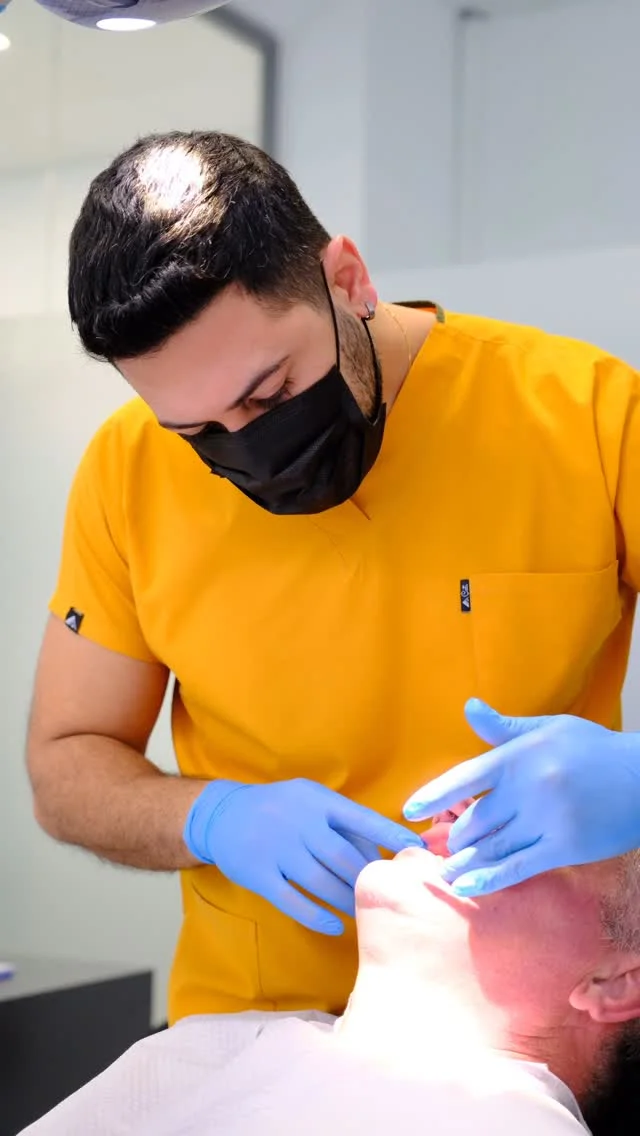
Dental anxiety is a common problem affecting a large portion of society. Patients seeking dental anxiety solutions can now experience comfortable and peaceful treatment thanks to innovative approaches offered by modern dentistry. Dental anxiety is not just a fear, but also a serious barrier that causes individuals to neglect their oral and dental health. Today, this problem can be largely resolved through advanced technologies, special approaches, and patient-centered treatment methods. Anxiety-reducing protocols applied in our clinic ensure that patients of all ages receive comfortable treatment.
Roots and Effects of Dental Anxiety
To understand dental anxiety solutions, it is first necessary to understand the causes of this fear. Dental anxiety mostly develops as a result of past negative experiences, exaggerated depictions seen in media, or traumatic situations experienced during childhood. This fear causes patients to postpone or even completely avoid going to the dentist.
The effects of dental phobia are not limited to oral health alone. Delayed treatments lead to small problems turning into large and painful issues. Additionally, psychological problems such as shyness in social life, loss of self-confidence, and even depression can be experienced due to dental problems.
Anxiety Management in Modern Dentistry
Patient-Centered Approach
Dental anxiety solution protocols applied in our clinic are based on a completely patient-centered approach. Customized treatment plans are created by evaluating each patient's fear level, past experiences, and personal needs.
During the first consultation, a long and sincere conversation is held with patients. This consultation aims to identify sources of fear, learn expectations, and create an environment of trust. Patients are informed at every stage of the treatment process, and procedures continue with their consent.
Gradual Exposure Therapy
For patients with severe dental phobia, gradual exposure therapy is applied. In this method, the patient is first helped to get accustomed to the clinical environment. Initial sessions are conducted only as introductions and clinic tours.
In the dental anxiety solution process, patients progress at their own pace. The process, which starts with simple examinations, cleaning procedures, and minor interventions, transitions to more comprehensive treatments when the patient is ready.
Technological Solutions and Modern Equipment
Painless Treatment Technologies
Laser technology has revolutionized the field of dental anxiety solutions. Silent laser systems that replace traditional drill sounds offer a much more comfortable experience for patients. These vibration-free devices eliminate sound and vibration issues, which are among the primary sources of fear.
Modern methods such as ultrasonic devices, piezoelectric systems, and air abrasion techniques provide minimal invasive treatment opportunities. Thanks to these technologies, even patients with low pain thresholds can receive comfortable treatment.
Digital Imaging and Instant Results
Digital radiography systems provide great advantages for patients. These systems, which contain 90% less radiation compared to traditional film radiographs, provide instant results and eliminate waiting anxiety.
With intraoral cameras, patients can see their own dental problems on the monitor. This visual presentation creates transparency and trust in the dental anxiety solution process. Patients can make more informed decisions by understanding their treatment needs.
Sedation Options and Anesthesia Methods
Nitrous Oxide (Laughing Gas) Application
Nitrous oxide application provides an effective dental anxiety solution for patients with mild and moderate dental anxiety. This safe and controlled method allows the patient to relax without losing consciousness.
Nitrous oxide takes effect quickly and is also rapidly eliminated from the body after treatment. This allows patients to return to their daily activities normally after treatment. It can be safely used especially in pediatric patients and pregnant women.
IV Sedation and General Anesthesia
Intravenous sedation and general anesthesia options are available for patients with severe dental phobia. These methods are applied in a safe environment with an anesthesiologist present.
These methods, which are preferred especially for multiple tooth extractions, implant surgery, and comprehensive treatment plans, provide a comfortable experience where the patient remembers nothing. It is one of the most effective options for patients seeking dental anxiety solutions.
Environmental Arrangements and Atmosphere
Relaxing Clinic Design
Our clinic's interior design is an important part of the dental anxiety solution strategy. Natural light, soft colors, and relaxing decoration elements create a peaceful environment for stressed patients.
Comfortable chairs, calming music, and aromatherapy applications are available in waiting rooms. Aquariums, plant arrangements, and artwork distract patients' attention and reduce their anxiety.
Sound and Odor Control
Special sound insulation and background music systems are used to mask traditional dental sounds. Patients can listen to their own music or watch movies with headphones.
Medical odors in the clinical environment are neutralized with natural aromas. Soothing essences such as lavender, chamomile, and mint provide relaxation for patients in the dental anxiety solution process.
Communication and Psychological Support
Therapeutic Communication Techniques
All staff at our clinic have received special training in dental anxiety management. The empathetic bond established with patients plays a critical role in creating an environment of trust.
Active listening, positive reinforcement, and supportive language use are the cornerstones of the dental anxiety solution process. Patients are welcomed with a sense of being understood without judgment.
Cognitive Behavioral Therapy Elements
Cognitive behavioral therapy principles are applied to change negative thought patterns. Patients' misconceptions about dental treatment are corrected and realistic expectations are created.
Breathing exercises, muscle relaxation techniques, and mental imagery work are taught for anxiety management. These techniques can also be used by patients at home.
Special Approaches for Children
Play Therapy and Education
Game-based approaches are used for dental anxiety solutions in pediatric patients. Tooth brushing education is given through games, and treatment tools are introduced with cartoon characters.
Children are prepared for procedures to be performed using the tell-show-do technique. Each stage is explained in language the child can understand and first demonstrated on toys.
Family Participation and Support
Family education is of great importance in preventing dental phobia that develops in childhood. Parents are informed so they can develop positive attitudes about their children's dental health.
The opportunity for family members to be present during treatment is reassuring for children. Family support in the dental anxiety solution process significantly increases success rates.
Approaches for Special Patient Groups
Elderly Patients and Special Conditions
In elderly patients, dental anxiety becomes more complex when combined with past negative experiences and health problems. Extra patience and understanding are shown for this patient group.
For patients with chronic diseases, physician coordination is provided. Safe dental anxiety solution plans are created by evaluating drug interactions.
Patients with Special Needs
Customized protocols are applied for patients with physical or mental disabilities. Accessible environment arrangements and special communication techniques are used.
Longer appointment times are allocated for this patient group, and family member participation is provided when necessary. Patient and understanding approach makes comfortable treatment possible for these patients as well.
Pharmacological Support and Medication Management
Anxiolytic Medications
For patients with severe dental anxiety, anxiolytic medication support can be provided before treatment. These medications are prescribed after evaluating the patient's general health condition.
Benzodiazepines, beta-blockers, and other anxiety-reducing medications have a supportive role in the dental anxiety solution process. Medication use is always done under physician supervision.
Natural Supplement Products
For patients who do not want to use medication, natural supplement products can be recommended. Natural sedatives such as valerian root, passionflower, and magnesium can be beneficial in mild anxiety situations.
Alternative methods such as aromatherapy, herbal teas, and homeopathic preparations play a supportive role for traditional treatment approaches.
Support Systems During Treatment Process
Continuous Monitoring and Feedback
Patient comfort is continuously monitored in the dental anxiety solution process. Vital signs (pulse, blood pressure, oxygen saturation) are tracked and intervention is made when necessary.
Patients can stop the procedure and take a break when they feel discomfort. This sense of control plays an important role in reducing anxiety.
Creating Positive Experience
Each successful treatment session is transformed into an experience that increases the patient's self-confidence. Small successes are celebrated and positive reinforcements are made.
Post-treatment follow-up consultations provide the opportunity to evaluate the patient's experience and make improvements for future sessions.
Technological Supports and Innovative Solutions
Virtual Reality Applications
Virtual reality technology, which has recently begun to be used in dentistry, shows promising results in the field of dental anxiety solutions.
With VR glasses, patients can watch virtual vacation destinations, nature scenes, or calming videos during treatment. This distraction technique significantly reduces anxiety.
Mobile Applications and Digital Support
Specially developed mobile applications provide pre and post-treatment support for patients. They include features such as breathing exercises, meditation guides, and progress tracking.
Chatbot systems serve as a 24/7 support line for patients. Except for emergencies, questions are answered instantly and relaxation techniques are suggested.
Success Stories and Patient Experiences
Case Studies
The success of dental anxiety solution protocols applied in our clinic is supported by countless patient experiences. Patients who could not go to the dentist for 30 years have been able to receive complete treatment with gradual approach.
Patients experiencing panic attacks have been able to receive comfortable treatment with special sedation protocols and overcome their phobias. These success stories are a source of hope and motivation for new patients.
Long-term Results
The long-term benefits of dental anxiety treatment are not limited to dental health alone. Patients report increased self-confidence, improved social life quality, and better general health status.
Patients who gain the habit of regular dental check-ups need less complex and costly treatments in later periods.
Out-of-Clinic Support and Follow-up
Home Application Techniques
Patients are taught relaxation techniques they can apply at home. Deep breathing, muscle tension-relaxation exercises, and mental imagery work support the dental anxiety solution process.
Specially prepared CDs or digital content are provided for patients to practice at home. This continuous work increases the effectiveness of clinic visits.
Support Groups and Sharing
Support groups are formed for patients experiencing similar experiences. These groups provide experience sharing and moral support.
Through online forums and social media groups, patients can communicate with each other and gain courage. This sense of community accelerates the healing process.
Cost-Effective Solutions
Insurance Coverage and Financial Support
Sedation and special approaches used in the dental anxiety solution process are covered by many insurance companies. Patients are supported regarding insurance procedures.
For patients experiencing financial difficulties, installment payment plans and social responsibility programs are available. No one should be deprived of quality treatment due to their financial situation.
Economic Benefits of Preventive Approach
The long-term economic benefits of dealing with dental anxiety in early stages are great. Regular check-ups and preventive treatments prevent much more costly interventions in later stages.
Patients may have to undergo complex procedures such as root canal treatment or implants instead of simple filling procedures they postponed due to their fears.
Future Developments and Innovations
Neuro-feedback and Bio-feedback Systems
In the future, the use of neuro-feedback and bio-feedback technologies in the field of dental anxiety solutions will increase. These systems will monitor and intervene in the patient's stress level in real-time.
By tracking physiological parameters such as heart rate, skin conductance, and brain waves, anxiety levels can be measured objectively.
Artificial Intelligence and Personalized Treatment
Artificial intelligence algorithms will determine optimal anxiety management strategies by analyzing each patient's unique characteristics. This personalized approach will maximize treatment effectiveness.
Patient behaviors will be predicted through machine learning, enabling proactive support. These technological developments will fundamentally transform the patient experience in dentistry.
Developments in the field of dental anxiety solutions show that no one needs to neglect their dental health due to dental anxiety anymore. With modern approaches, technological opportunities, and patient-centered service understanding, every individual can receive dental treatment comfortably and peacefully. Comprehensive protocols applied in our clinic are building the future of healthy smiles by leaving dental phobia in the past. Remember that dental anxiety is a temporary barrier that can definitely be overcome with the right approaches, and everyone has the right to benefit from quality dental health services.